
From Vision to Reality: The Journey of Bringing a Brand's Dream to Life

Every brand starts with a vision: that unique spark that captures the purpose, values, and dreams of its founding visionaries. However, it takes more than just a vision to create; it takes strategy, expertise, and collaboration to make a brand successful. The following article takes you on a behind-the-scenes journey of how an idea can be transformed into a full-fledged brand by showing some of the pivotal stages in the transformation process of bringing a brand's dream into reality.

1. Understanding Client's Dream: The Bottom of Success
What begins here is a deep comprehension of the client's vision. This is where we enter into the core understanding of what drives the story behind the brand. In most cases, this requires lots of interactive discussion, brainstorming together, and sometimes even mood boards as we work to capture the client's goals, inspirations, and long-term aspirations.
Example: Recently, we worked with a client in the wellness industry who wanted a brand she described as calming yet empowering. We sat through hours of color psychology, potential layouts, and brand personalities until every single thing resonated in her head as wellness and empowerment.
Tip: At this point, it is helpful to ask open-ended questions in an effort to uncover what actually drives your client's vision. This might be "What emotions do you want people to feel when they see your brand?" or "Which brands inspire you and why?"
2. The Creative Design Process: Taking Abstract Ideas and Making Them Reality
We get a better idea of what this brand's identity will look like once we put it on paper, in actual images. It involves coming up with rough sketches, color palette experimentation, and developing a mood board in harmony with the client's vision.
Step-by-Step Process
Ideation and Brainstorming: The session of discussing ideas and how to express the brand should be communicated and seen.
Initial Ideas: Generating preliminary design concepts that reflect various courses and aesthetics.
Feedback and Revise: Present the preliminary stages with the client and allow the client to comment before further revising the designs.
Industry Knowledge: The available research suggests that those with clear and consistent visual branding seem to be better able to remember. Recently it was estimated that 80 percent of the people have more ability to remember the pictures than words. During this stage, the effect of the brand has to be felt.
3. Overcoming Obstacles: Flexibility and Evolution Through the Process
No process is without obstacles, and design isn't an exception. Budgets, deadlines, and shifting ideas are inevitable and need flexibility. Creativity often shines brightest in overcoming obstacles.
Case Study: Once, we had a client who changed his brand direction at the last minute. That could have been a failure, but we embraced it and worked closely to adjust the visuals to their new vision. The final product was more than what they had expected, and that project turned out to be a testimony of flexibility.
Solution: In such moments, focus should be on a change of perspective and on collaborative problem-solving to come out with ideas that might be an even better fit for the brand's vision.
4. Put it All Together: Putting all the elements of brand identity together
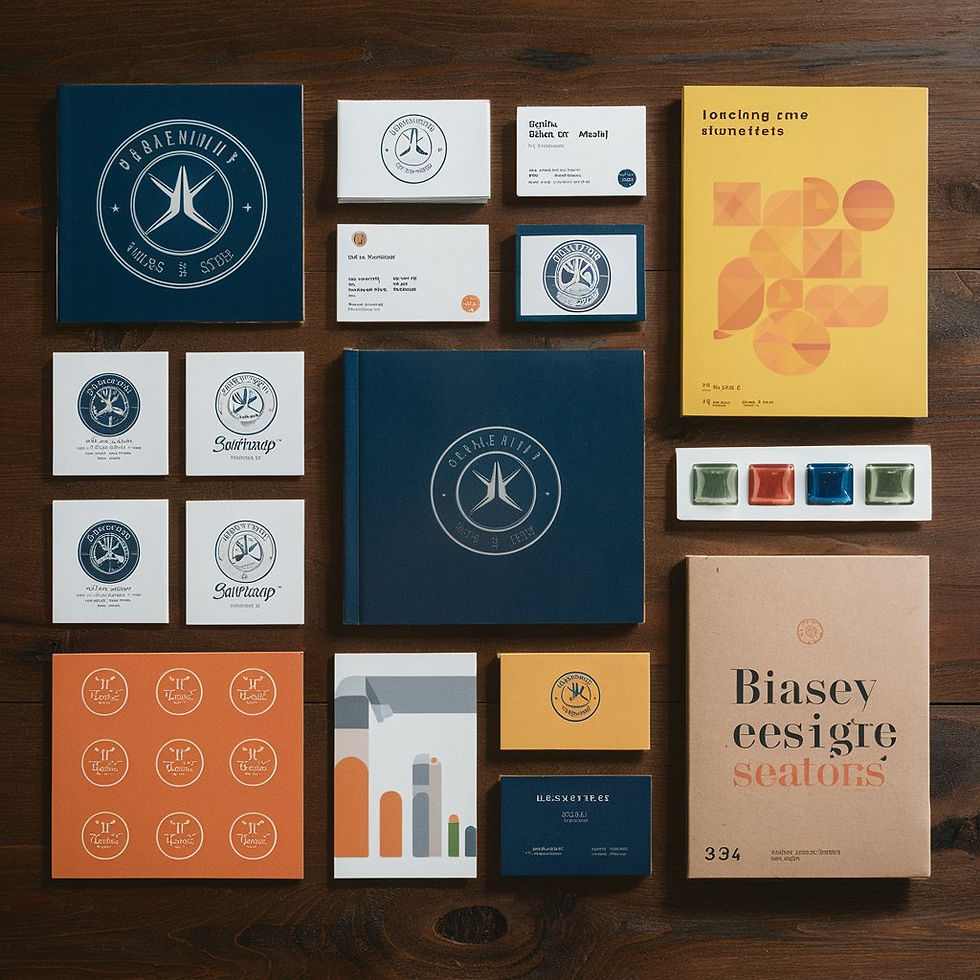
Having perfected and refined each element, we could now put together the brand's dream. This means finalizing the logo, color palette, typography, and brand guidelines. Here, we aim at establishing a consistent brand identity which the client will take all the way to the channels.
Steps for Consistency:
Finalize Brand Assets: make sure that each designed element would fall in place with the message of the brand.
Brand Guidelines: Outline the proper use of all elements in order to have a uniform translation across all mediums.
Feedback Loop: Deliver the final result to your client and involve them in the final tweaks that ensure it hits your client's eye.
Experts have emphasized the need for an integrated brand identity. They say that having a unified brand experience would increase the customer's trust up to 33%. Having everything speak in one voice reinforces the authenticity and credibility of the brand.
5. Impact Measurement: How Does It Feel to Have Your Vision Become a Reality?
We want to see the brand finally connect with its audience. The process after launching is essentially checking for feedback, engagement, and customer reactions. Seeing a brand come to life is rewarding-not just for the client but also for designers like us, who see a vision take shape and make it a reality.
FAQs:
Q: How long does it take for your brand's vision to come to life?
A: This depends on the complexity of the brand and the scope of work. Normally, it takes between 6 to 12 weeks.
Q: What happens if the brand's vision changes during the process?
A: We realize that visions do change. We work with our clients to adapt designs so that it better fits their new direction, ensuring that the final product is always in line with their objectives.
Conclusion
Moving a brand's vision into reality is a step of collaboration, adaptation, and creativity. Each step from understanding the initial conception of the dream to finally bringing the brand's identity to full circle is done with great care so that the final product would be really the client's dream. And when that vision finally comes into being, it is more than just a brand-it becomes the realisation of a dream.
Comments